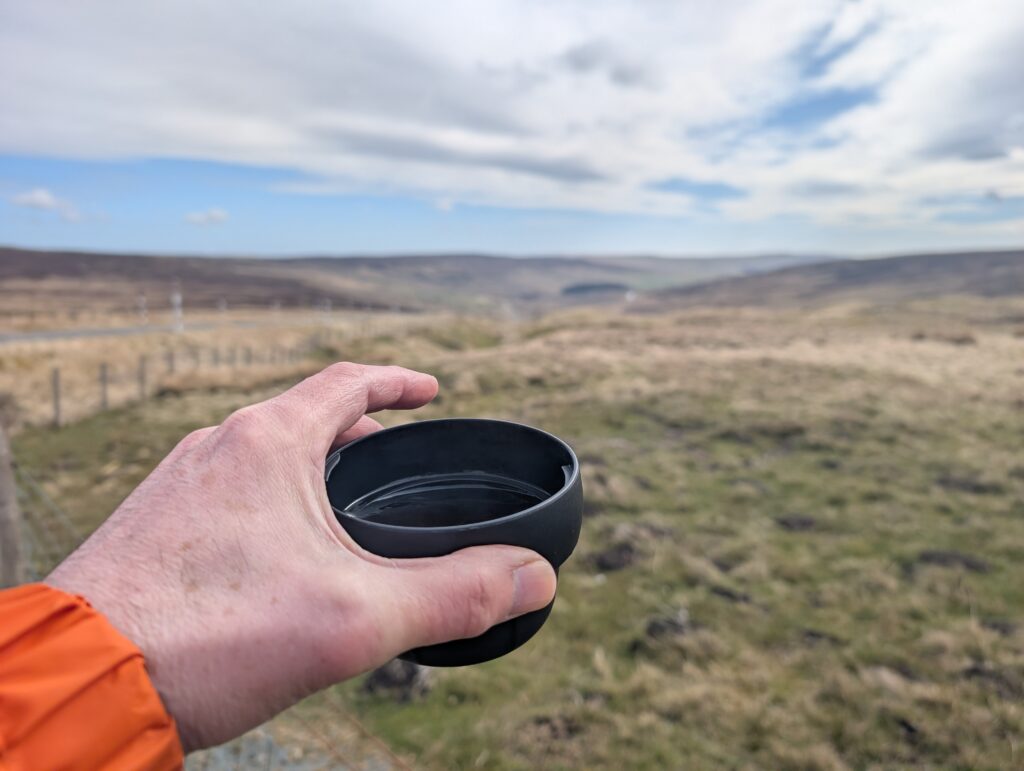
A different way of worshipping God.
Do you believe in God but find it difficult to join with others on a Sunday? Church in the Wild is a *different* way for the church to gather. It is worship, but physical as well as spiritual. Church in the Wild invites us to take the metaphor of Christian journey and make it a physical experience. In the same way that our spiritual walk with God begins where we are right now, this worship begins where and when we want.
Background thinking
For centuries we have gathered with our churches to hear and receive God’s word, to sing songs of praise, and to break bread together… but the way in which we do it has become centered in buildings. Those buildings are sacred spaces where worship has happened for hundreds of years, but some people struggle with the language, or the singing, or even sitting in stillness. The way the church worship connects us with those who have worshipped before us… but it doesn’t connect everyone.
When Jesus was asked what the most important commandment was, he replied:
Love the Lord your God with all your heart, with all your soul, with all your mind, and with all your strength – and love your neighbour as yourself.
What would it look like if our worship became more physical than intellectual? How would we know whether it really is worship, or whether we are worshipping the same God? These are difficult questions, and therefore Church in the Wild is an experiment. Is it possible for this simple model to enable more people to experience God’s love for themselves? We may find out… and if this appeals… maybe you’ll find out with us.
How does it work?
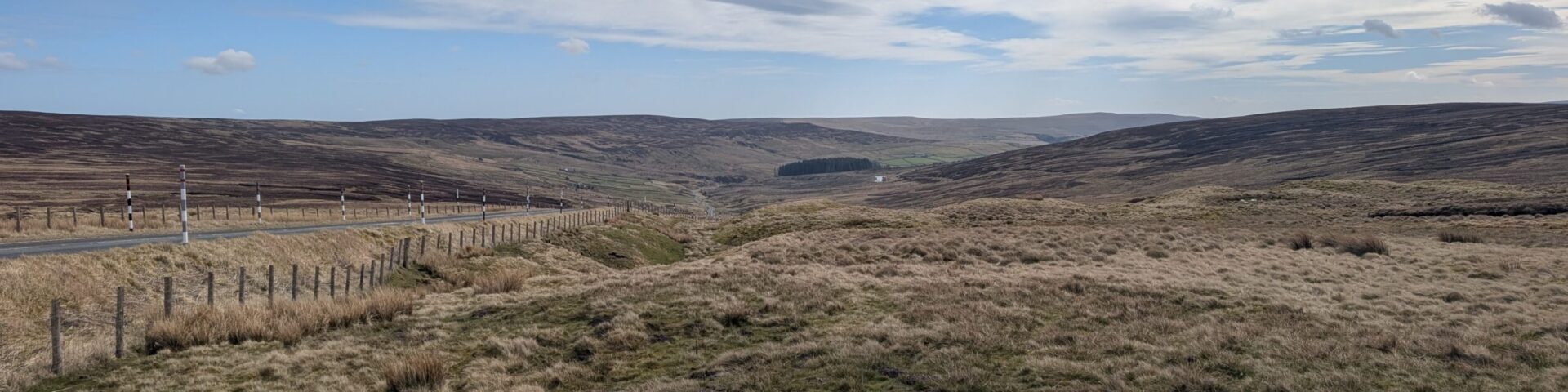
On the first Saturday of the month, a wilderness location is chosen and shared. Those who wish to join the worship plan their own unique journey to get there. The journey, and the time spent thinking about God, are the central elements of this worship… your journey is yours… no one can make it for you. The location will be in Upper Weardale, and there will be a car park nearby for those who can’t walk or cycle… email the Vicar well in advance for details.
A Bible passage is chosen. Before setting off, there will be a prayer for you to say, and a bit of the Bible for you to read.
The journey is spiritual. Each of us makes our own way to the agreed wilderness location. While we walk, cycle, wheel, drive, or even space-hopper bounce our way to the meeting place, each of us takes the time to think about the Bible reading. Repeating it to ourselves, sharing in Jesus’ experience of “going into the wilderness to pray”.
The journey is physical. Worship the Lord with all our heart, soul, mind and strength. As we make our way to meet with others, we may have chosen a strenuous route… but however we get there, it will be a physical experience.
Church is people. We gather at an agreed time, in the agreed wilderness location. Greeting each other in Jesus name. We have a chance to share what we may have learned about God on our spiritual/physical journey: a few simple words each.
Breaking bread. Food is shared: bring some. Cake goes well with everything. If you have a flask of hot drink too that’s good.
Spiritual nourishment. We pray in the wilderness. Following the way Jesus would pray, a time of prayer is offered, including the Lord’s prayer in our own words.
Going out into the world. Wilderness moments are a blessing, and those blessings may overflow from us into the world around us. We return to our homes and villages by whatever means.
Safety before Worship:
You are responsible for your safety.
- Tell someone where you are going and leave route details and estimated time of completion, let them know once you are safely back.
- Maps and guidebooks will help you choose a route to suited you.
- Understand the Country Code.
- Always check the forecast the day before you set off and again on the day of your walk or cycle.
- Be aware that conditions can change dramatically even in a short space of time.
- Avoid steep and exposed ground if storms and high winds are forecast.
- High rainfall can result in rivers becoming impassable – rocky slippery underfoot.
- All temperature extremes can be hazardous, always be prepared to turn back.
- No one can make your journey for you, so your safety is your responsibility. Plan appropriately.
In an emergency
If you do need to call out Mountain Rescue here’s what to do. Dial 999 or 112 and ask for police and then mountain rescue. They will ask for:
- Location (and a grid reference, if possible)
- Names, ages and gender of any people with you
- Any injuries and what they are
- Number of people in your party
- Your mobile number
Remember to stay where you are until Mountain Rescue contact you. If you have hearing or speech issues you can contact the emergency services by text. You must be registered with emergency SMS. Text ‘register’ to 999
Safeguarding
Safeguarding is an integral part of the mission and ministry of the Church of England. We have robust Codes of Practice, policies and training in place to promote safeguarding as everyone’s responsibility. Safeguarding is the action the Church takes to promote a safer culture. This means we will promote the welfare of children, young people and adults. We work to prevent abuse from occurring, seek to protect those that are at risk of being abused and respond well to those that have been abused.
If a child or vulnerable adult is at immediate risk of harm, call the Police on 999
The Church of England in Upper Weardale takes safeguarding seriously across all our churches. We follow the Church of England’s guidance and policies, and have our own Parish Safeguarding Officers for each church. There is further information on the Church of England’s Safeguarding pages and more locally, the Diocese of Durham’s Safeguarding pages contain vital links and information.